Baseball positions
The 9 baseball positions: numbers, names, and what each player does
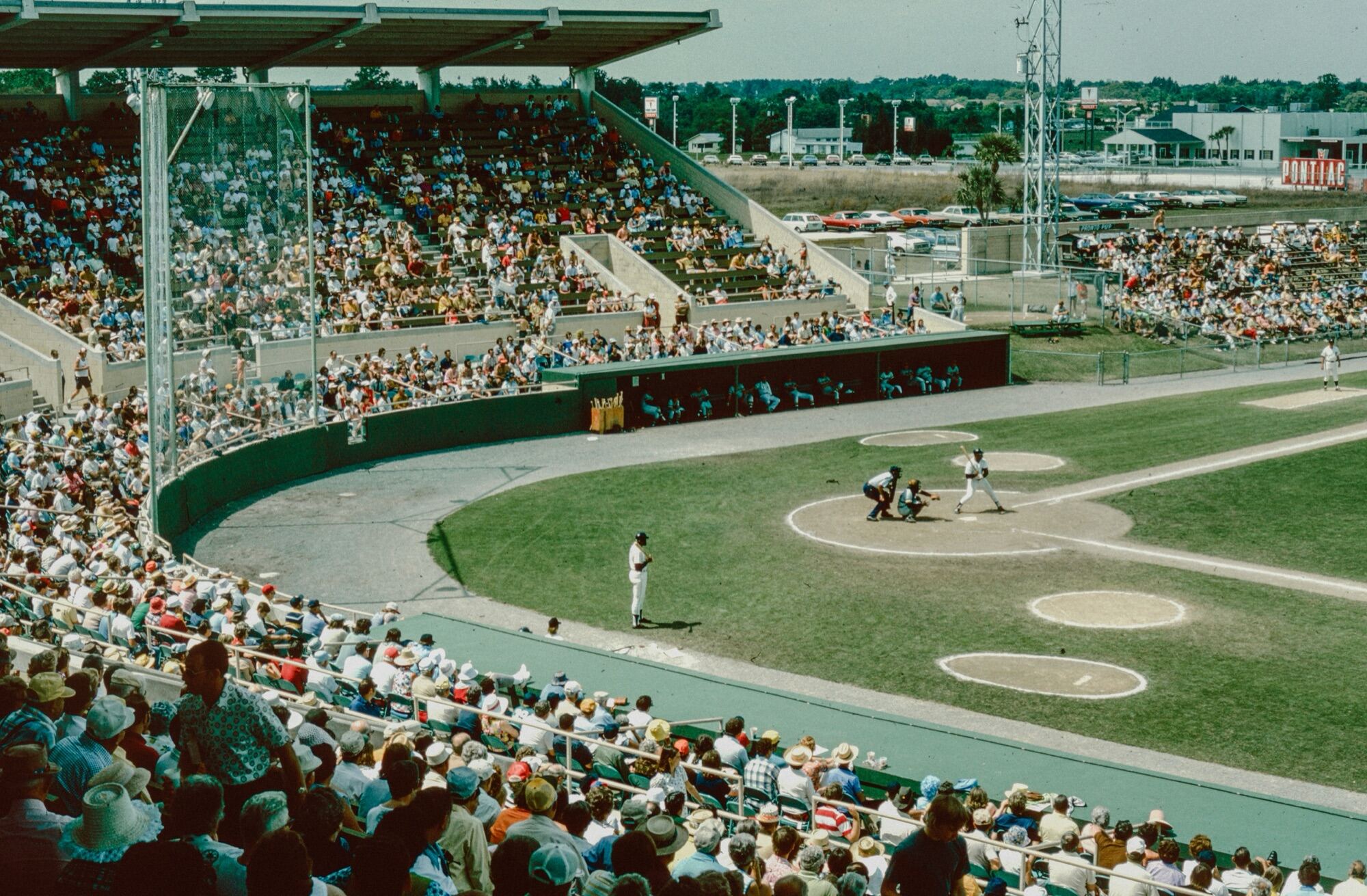
The nine defensive positions are pitcher (1), catcher (2), first baseman (3), second baseman (4), third baseman (5), shortstop (6), left fielder (7), center fielder (8), and right fielder (9). These numbers are scorekeeping shorthand, not uniform numbers or batting-order spots. The designated hitter bats for the pitcher but is not a tenth defensive position.
Sources and resources
- MLB positions glossary — MLB's guide to the nine defensive positions and nine-player batting order.
- MLB guide to keeping score — MLB's scorecard basics, including numbered fielding plays such as 6-3 and 7.
- MLB designated-hitter rule — MLB's explanation of how the DH bats for the pitcher without becoming a tenth defender.
- MLB fielding-alignment guide — MLB's guide to standard, shaded, and strategic infield and outfield alignments.
What are the nine baseball positions and their numbers?
Baseball assigns each defensive position a number from 1 through 9 for scorekeeping. The numbers stay with the positions even when different players enter the game or move around the field.
A position number is not a jersey number and does not tell you where a player bats. It is a compact way to record which fielders handled the ball.
- 1 — Pitcher (P)
- 2 — Catcher (C)
- 3 — First baseman (1B)
- 4 — Second baseman (2B)
- 5 — Third baseman (3B)
- 6 — Shortstop (SS)
- 7 — Left fielder (LF)
- 8 — Center fielder (CF)
- 9 — Right fielder (RF)
Pitcher and catcher: positions 1 and 2
The pitcher begins each play from the mound and delivers the ball to the batter. Pitchers also field bunts and balls near the mound, cover bases, back up throws, and try to control the running game.
The catcher receives pitches behind home plate, blocks balls in the dirt, throws at base stealers, fields plays near the plate, and works with the pitcher on pitch selection and defense.
- 1 — Pitcher: starts the pitch and handles the center of the defense.
- 2 — Catcher: receives pitches and directs much of the defense from behind the plate.
The four infield positions: 3 through 6
The four standard infielders are the first baseman, second baseman, third baseman, and shortstop. They handle most ground balls and many throws that create force outs and double plays.
MLB's current alignment rule requires four infielders within the infield boundary, with at least two completely on each side of second base when the pitch is released. Infielders can still shade within those limits.
- 3 — First baseman: fields near first and receives most throws that retire a batter-runner.
- 4 — Second baseman: covers the right side of the infield and often turns double plays.
- 5 — Third baseman: protects the third-base line and reacts to hard-hit balls and bunts.
- 6 — Shortstop: covers the left side, ranges up the middle, and leads many infield plays.
The three outfield positions: 7 through 9
The standard outfield has a left fielder, center fielder, and right fielder. They catch fly balls, cut off hits before runners take extra bases, and throw the ball back to the infield.
Center field usually covers the most ground and often takes charge when two outfielders can reach the same fly ball. Arm strength matters at every spot, especially when a throw must stop a runner from advancing.
- 7 — Left fielder: covers the outfield behind third base and shortstop.
- 8 — Center fielder: covers the middle and often leads outfield communication.
- 9 — Right fielder: covers the outfield behind first and second base.
What do 6-3 and 6-4-3 mean in baseball?
A scorekeeper writes the position numbers in the order fielders touch the ball on a putout. A 6-3 groundout means the shortstop fielded the ball and threw to the first baseman for the out.
A 6-4-3 double play usually means the shortstop threw to the second baseman for one out at second, then the second baseman threw to the first baseman for the second out. A flyout marked 7 means the left fielder caught the ball without another fielder recording an assist.
- 6-3 — Shortstop to first baseman.
- 4-3 — Second baseman to first baseman.
- 5-4-3 — Third baseman to second baseman to first baseman.
- 6-4-3 — Shortstop to second baseman to first baseman.
- 7 — Flyout to left field.
Is the designated hitter a tenth position?
No. The designated hitter, or DH, bats in place of the pitcher but does not take a tenth spot on defense. The pitcher remains one of the nine fielders.
A starting pitcher who also bats can remain in the game as the DH after leaving the mound under MLB's two-way version of the rule. That changes the player's role, not the number of defenders on the field.
Can baseball players change positions during a game?
Yes. A player can move from one defensive position to another, and managers can use a substitute as a pinch-hitter, pinch-runner, new pitcher, or defensive replacement when the ball is dead.
Once a player is removed from an MLB game, that player cannot return. A substitute takes the removed player's place in the batting order even if the defensive position changes.
Track the players and positions you saw in person
A lineup card shows where each starter began, but a completed box score also preserves the substitutes and position changes that happened during the game.
Log a completed game in Gamebook and it connects the official players and box score to your ballpark visit, seat, score, home runs, companions, photos, and memory. Your player totals grow from the games you truly attended.
Common questions
What are the nine positions in baseball?
The nine defensive positions are pitcher, catcher, first baseman, second baseman, third baseman, shortstop, left fielder, center fielder, and right fielder.
What are the baseball position numbers?
Pitcher is 1, catcher 2, first baseman 3, second baseman 4, third baseman 5, shortstop 6, left fielder 7, center fielder 8, and right fielder 9.
Why is shortstop number 6?
The position numbers are long-used scorekeeping labels. Shortstop is 6 so a play written 6-3 means shortstop to first baseman. It is not the player's jersey number.
What does 6-4-3 mean in baseball?
It records a play handled by the shortstop, second baseman, and first baseman in that order, usually a double play.
Is the DH one of the nine baseball positions?
The DH is a lineup role, not a tenth defensive position. The designated hitter bats for the pitcher while the pitcher remains one of the nine fielders.
How many baseball players are on the field at once?
Nine defensive players from one team take the field while the other team bats.
How many infielders are there in baseball?
A standard defense has four infielders: first baseman, second baseman, third baseman, and shortstop. The pitcher and catcher form the battery and are numbered separately.
How many outfielders are there in baseball?
A standard defense has three outfielders: left fielder, center fielder, and right fielder.
Can a baseball player switch positions during a game?
Yes. A player can move to another defensive position. If a player is removed from an MLB game, however, that player cannot return.
Can Gamebook track the baseball players I have seen?
Yes. Log a completed game and Gamebook connects its official players and box score to your ballpark visit, score, seat, photos, companions, and memory.